Message
“Create a society harmonized with the natural world."
Since its establishment in 1950, JWA has been analyzing surveys and providing information related to weather, the environment, and disaster prevention. Nowadays, the scale and intensity of disasters caused by meteorological phenomena (weather disasters) is increasing, and the world is undergoing enormous changes—global warming, energy problems, the evolution of information society, and the advent of a super-aging population and a declining birthrate. JWA’s greatest strength is that it possesses both survey analysis technology and technology enabling the sharing of weather information service in real time. By using its strengths to address changes in the world, JWA is pioneering the future with the aim of creating a “society harmonized with the natural world” together with its corporate and individual clients.
Message from the Director General
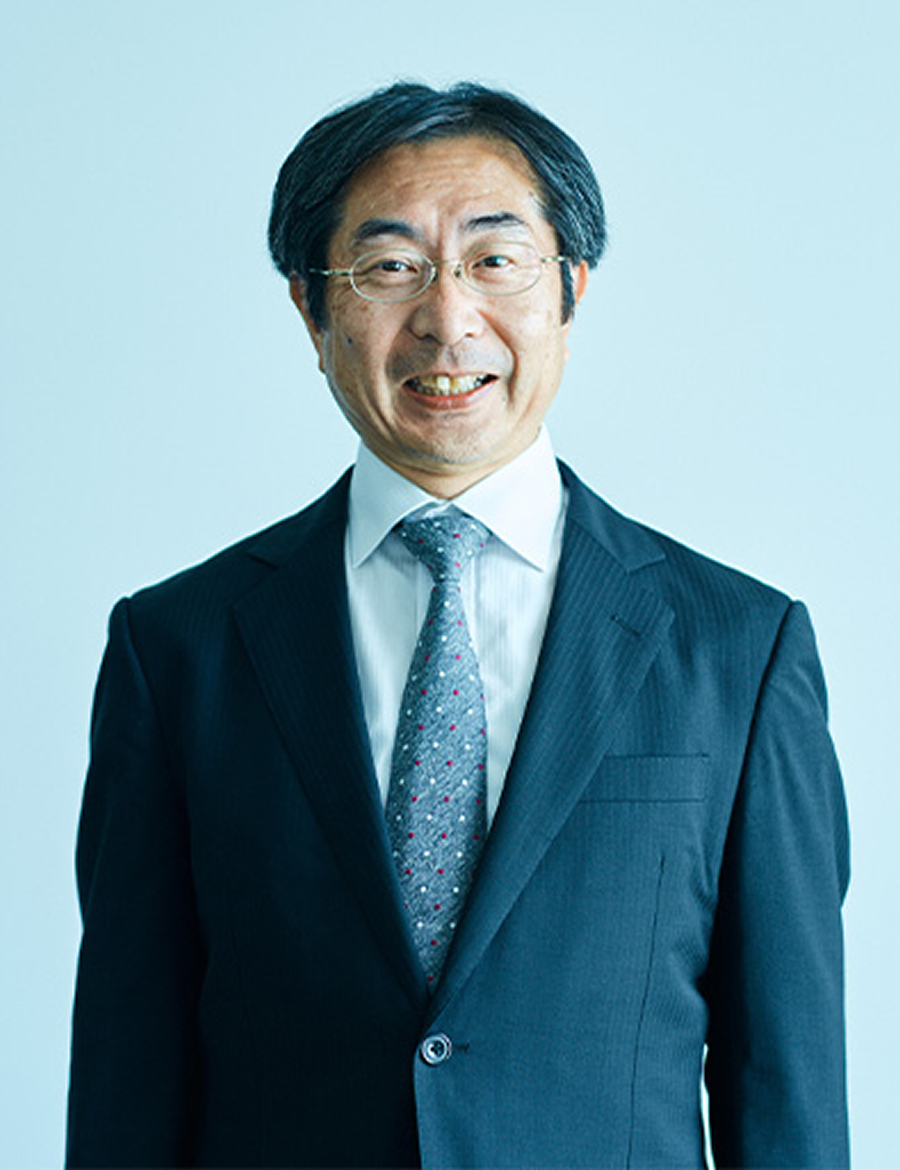
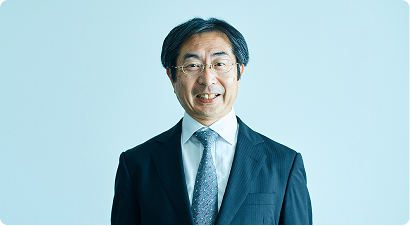
Takeshi Moriya
Message from the Director General
For 76 years since its establishment, Japan Weather Association (JWA), as a pioneer among private weather companies in Japan, has provided not only weather information but also a wide range of weather-related services that help address challenges in people’s daily lives and social activities.
In recent years, the impact of weather-related phenomena on society has become increasingly severe. Heavy rain, flooding, and landslides associated with typhoons have long been recognized as serious threats in Japan. Today, however, phenomena such as quasi-stationary band-shaped precipitation systems, named ‘senjo-kousuitai’, which can develop suddenly and cause significant damage, have also become increasingly prominent. In addition, the impact of heavy snowfall on transportation and other social and economic activities has grown more serious. In Japan, a country known for its frequent earthquakes, large-scale earthquakes and tsunamis also pose major threats.
As a private company, JWA was among the first to develop its own meteorological and oceanographic forecasting technologies, and has continued to enhance the sophistication of its forecasting capabilities. JWA has provided weather information essential to people’s lives through weather commentary on television and radio and weather information in newspapers. In the 1970s, ahead of the widespread adoption of the Internet, JWA introduced MICOS, an online weather information service. JWA has also advanced technological development, including the development and operation of its own weather forecasting models.
In addition, JWA has actively introduced a variety of meteorological observation technologies. Beyond the early detection of weather conditions using weather radar, JWA has pursued distinctive initiatives such as wind condition observation using remote sensing technologies and their application to bird strike mitigation.
With a focus on fields such as disaster risk reduction, the environment, and oceanographic conditions, JWA addresses a broad range of areas. These include the management of rivers and dams; the safe and stable operation of roads, railways, ships, and aircraft; the adoption of renewable energy; environmental conservation measures in development projects; the stable supply of energy; the stabilization of logistics; production management; and the provision of information that supports safe, secure, and comfortable daily living.
As is widely recognized, the natural world, including weather, and human activities influence one another. Guided by our corporate mission of creating a “society harmonized with the natural world,” we at JWA will continue to contribute to the creation of a better society.
We will continue our efforts to deepen our understanding of the natural world and to advance the safety, security, and comfort of society.
Director General